Canada’s Quebec okays $1.2 billion phosphate mine
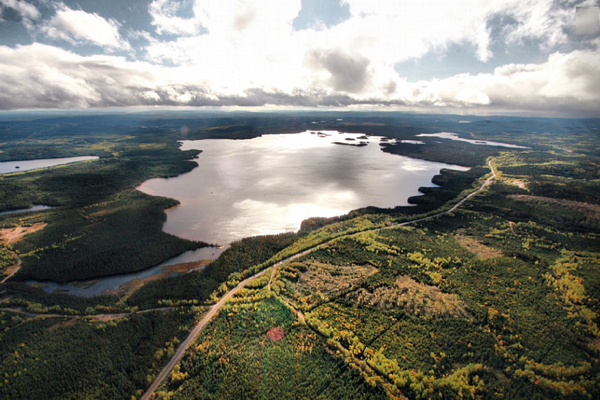
The Lac à Paul open-pit mine – the largest in Canada near an inhabited area – is expected to create 475 construction jobs and 375 permanent mining and processing jobs.
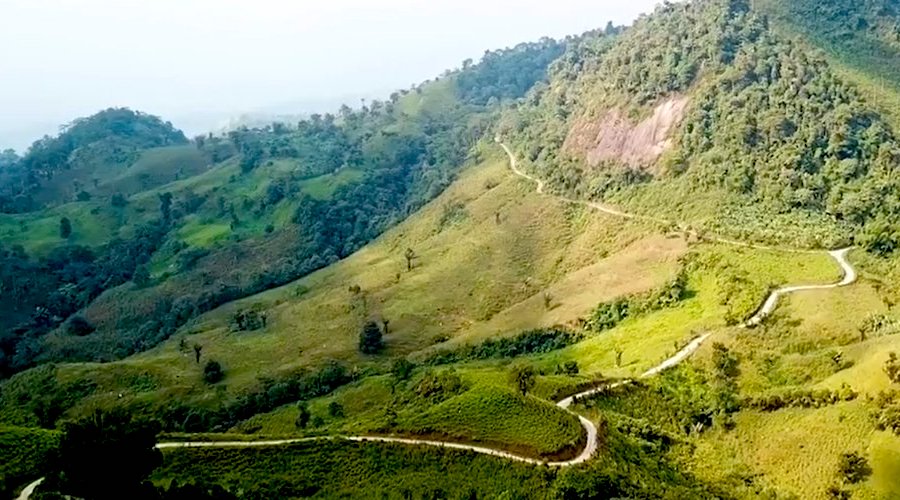
The Canadian province of Quebec has given Arianne (TSX-V: DAN) the go-ahead to build its $1.2 billion million Lac à Paul project phosphate rock project in a region best known for its iron ore mining.
The open-pit mine – the largest in Canada near an inhabited area – is expected to create 475 construction jobs and 375 permanent mining and processing positions, with commercial production expected to begin in 2019.
“There could not have been a better way to end the year for Arianne and the region as a whole,” Jean-Sebastien David, Arianne’s COO, said in a statement.
The first phosphorus showings at Lac à Paul were discovered, by accident, in 1997. But it was in 2008, after ore prices and global demand for fertilizer had increased, that Arianne made the necessary efforts to develop the project.
The company said it would now focus on securing financing for the construction phase.
The decision is good news for the port town of Sept-Îles, which had a major setback in January with the closure of the Bloom Lake iron ore mine. The shut-down was part of a plan by Cliffs Natural Resources (NYSE:CLF) to exit Eastern Canada, after taking a $6 billion charge on the mine related mainly to the ill-timed purchase of Bloom Lake, which was supposed to supply the then-booming Chinese steel market. Cliffs’ also sold part of its struggling coal division.
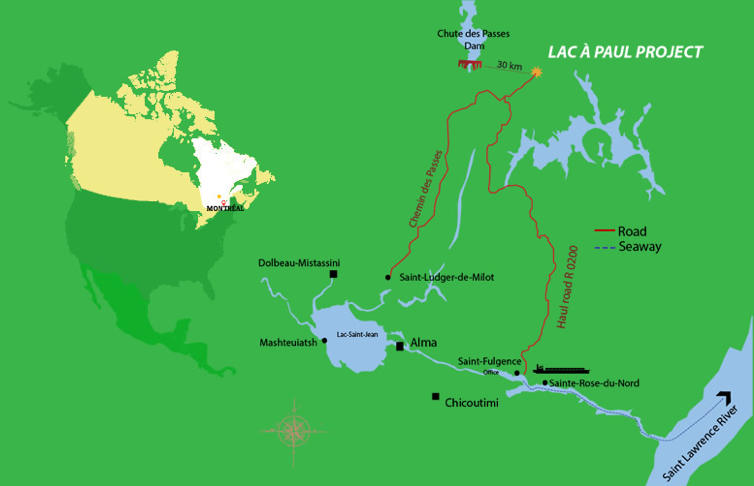
Courtesy of Arianne.
More News

GRAPH: Cobalt price plunge and the EV market
February 11, 2025 | 04:03 pm
China funnelled $57 billion to control critical mineral supply chain
February 05, 2025 | 11:00 am
{{ commodity.name }}
{{ post.title }}
{{ post.date }}

2 Comments
Mark Harder
Some phosphate rock deposits contain significant amounts of uranium and thorium compounds. Does the Lac a Paul deposit? If so, how much, and is there a Canadian regulatory body that sets occupational and environmental maximum concentrations?
Sharon S
Very alarming, after viewing a video about Florida’s phosphate mining. It is toxic and devastating! BIG mistake, Canada.