Frik Els , Editor

Frik has 20 years’ experience as a business journalist across a range of industries including automotive, technology and entertainment markets. Frik has an entry in Global Mining Observer’s Who’s Who of Mining 2018, and contributions to publications and conferences including Business Insider, Investing.com, Mines & Money London and New York, Vancouver Resources Investment, Progressive Mine Forum in Toronto and Canadian Mining Symposium in London, UK. He’s been interviewed on CBC Radio and Korea State TV and quoted in the Financial Post.

Posts by Frik Els:

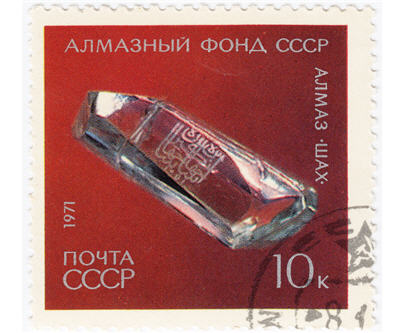
Why diamonds are nothing like gold

MarketWatch takes an in-depth look at the $72 billion global polished diamond trade and finds a distinct lack of pricing clarity and a deeply flawed system that have somehow endured for decades.

$19 million pink diamond could break auction record

IDEX reports on Wednesday Sotheby's is auctioning a 9.27-carats fancy vivid pink emerald-cut diamond at a sale that will likely attract collectors that have not seen such stones auctioned for a while. Collectors and dealers have paid top prices for exceptional diamonds at auctions in Hong Kong, repeatedly setting record prices, but offerings like the rare VVS1 clarity pink diamond carrying a pre-sale estimate price of $12.8-$19.2 million, have been scarce recently. If the gem sales at the upper end of the range it could set a new per carat record of $2 million-plus.

Tough talk about Oyu Tolgoi does nothing to staunch Ivanhoe bleeding

A statement put out by Ivanhoe Mines and partner Rio Tinto on Monday saying it has formally informed the Mongolian government it won't renegotiate the terms of the Oyu Tolgoi investment did not have the desired effect and the share was beaten down 6.6% on Monday. The counter’s losses began after rumours – now confirmed – surfaced that the Mongolian government is rethinking a 2009 deal that gave Ivanhoe Mines and Rio Tinto a 66% stake in Oyu Tolgoi and that it now wants half of the $6 billion gold and copper project.

Potash Corp’s market worth dropping $1 billion per day

The value of stock in Potash Corp. of Saskatchewan, the world’s largest miner of the soil nutrient, are down more than 13% or $6 billion since Tuesday after losing 2.8% in afternoon trade on Monday on the back of plummeting corn prices in the US. The price per bushel of the largest US crop has declined 25% since June and farmers are now hard-pressed to slash input costs which means cutting back on fertilizer. Globally there is a similar trend and in India, the world's largest importer of potash, sales were down more than 50% over the monsoon planting season.

Gold bounces back after bear raid

December gold added $35 or 2.2% to trade at $1,657.10 an ounce in noon dealings in New York on Monday regaining a sliver of the ground lost during September, the worst month for the precious metal since the start of the 2008 recession. September was a particularly volatile period for gold. Early on the metal hit an intraday record of $1,923.10 only to shed 17% over the course of the month. Today's dealings are also in sharp contrast to a week ago: in Asian trade on Monday September 26 bullion plunged $130 within a few hours, a move which many gold bugs are now saying had nothing to do with fundamentals but was intended to send a message.

US now pays less than $70/barrel for Canada crude, the world’s cheapest oil

The price of US crude oil crashed through the $80/barrel level on Friday afternoon bringing its losses to more than 10% in September and suffering its worst quarter since the 2008 recession. At the same time the discount on Western Canada Select widened to $10.50/barrel meaning oil sands producers now sell some of the cheapest fuel on the planet. The international benchmark for oil was pegged at over $102 on Friday. Canada exports 2 million barrels of oil per day and a lack of pipelines means all of it goes to the US Midwest, the pricing point for US crude.

PNG nickel mine ready to start dumping 200 million tonnes of waste in ocean

Despite a rancourous dispute with local landowners over compensation and infrastructure upgrades and an appeal against a Papua New Guinea High Court ruling approving the dumping, Australia's Highlands Pacific on Friday said it is confident it could power on its already built mine next year after the intervention of a provincial governor. The wrangling over the $1.5 billion Ramu nickel and cobalt mine that over its life will dump 100 million tonnes of waste 400m offshore comes as the new PNG's government moves to quell concerns about proposed changes to mining rights that would potentially force projects worth billions of dollars into renegotiation.

Loyal Silvercorp investors come out ahead after dark and stormy month

Shareholders who held onto their Silvercorp Metals stock during the rollercoaster ride that started on September 2 when the company had to disclose fraud allegations and a massive short position in its stock, had something to show for their loyalty on Friday. Silvercorp, China's biggest silver miner, is now worth more than it was before the scam was exposed. You had to have nerves of steel though – volumes sky-rocketed, intra-day swings reached 22% and at one point shell-shocked owners were down a net 30%. And what is most remarkable: Silvercorp's gains are into the teeth of a silver price that has dropped 27% and a sector slaughtered along with it.

A jaundiced view of the diamond market

One shouldn't compare pears and squares but there is no better indication that coloured diamonds are spearheading record auction prices than news that a yellow weighing slightly less than the 33-carat flawless D-colour Liz Taylor wore every day, is expected to fetch three time as much as the Hollywood legend's gem when it goes on sale next month.

Price of abundant rare earths could halve as hybrid-makers find alternatives

The price of the most abundant rare-earths are set to extend their decline from records this year as Japanese manufacturers, including Toyota the world’s top REE consumer, switch to recycled materials or eliminate the need for REEs altogether. Prices of certain elements such as cerium used to polish TV screens and lenses are already down 40% after months of break-neck price hikes while lanthanum which finds its way into nickel-metal hydride batteries has shown similar declines. However, the price of some REEs such as samarium used in jet fighter electrical systems are showing no signs of decline despite increasing 25-fold in just three years.
Featured Post

GRAPH: Cobalt price plunge and the EV market

Cobalt prices have plummeted to their lowest level since 2016, as a deluge of supply overwhelms stagnating demand from the electric vehicle […]
Contest Ranking Modal BG Contest Ranking Modal BG
Contest Ranking Title

The new Mining Power Rankings are live. Vote for the sector’s leaders in each of the Large-, Small-, and Micro-Cap leagues.

Vote Now